Digital Download $1.79
Make.com Autoblogging Blueprint 2026 — Build a Full AI Content Pipeline
Build a fully automated blog content pipeline that writes, publishes, and distributes posts while you sleep — no coding required.
AI automation chains tools like Make.com, n8n and AI models into pipelines that research, write, publish and repurpose content with little manual work. The fastest wins are autoblogging (idea → post → video → social) and back-office workflow automation.

You can automate blog content production by connecting a prompt‑engineered LLM agent, a content planner, and a publishing workflow using tools like LangChain, Zapier, and a headless CMS.
You can build an automated AI content pipeline by integrating LLMs, prompt engineering, and scheduling tools to generate, edit, and publish SEO‑optimized articles without manual effort.
Agentic AI can fully automate a content creation pipeline by orchestrating LLMs, prompts, and workflow tools.
An automated AI content pipeline can generate, optimize, and publish SEO‑friendly articles without manual effort.
You can create a fully automated AI content pipeline for SEO in 2026 by combining LLMs, agentic workflows, and modern orchestration tools.
You can create a fully automated AI content pipeline that produces SEO‑optimized blog posts by integrating LLMs, prompt engineering, and scheduling tools.
You can set up an automated AI content pipeline by combining a prompt‑engineered LLM, a scheduling script, and SEO‑focused post‑processing tools.
You can set up an automated agentic AI content pipeline by linking a large language model, task‑specific agents, and orchestration tools such as LangChain, Zapier, and a headless CMS.
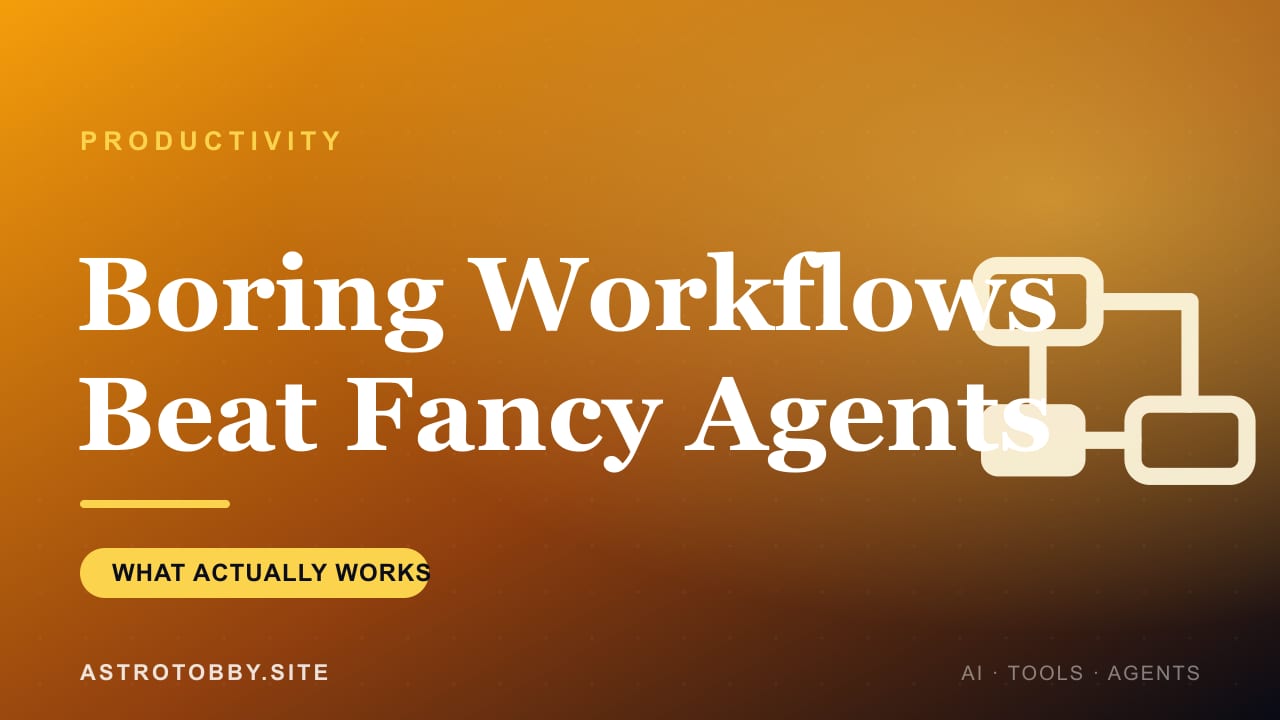
AI can accelerate a content operation, but reliable publishing requires deduplication, validation, observability, and a human quality gate.
You can set up an end‑to‑end AI‑driven content pipeline using LLMs, prompt engineering, and scheduling tools to generate, optimize, and publish SEO‑ready articles automatically.
You can automate AI-generated blog posts by using a structured pipeline that combines prompt engineering, LLM APIs, and scheduling tools.
An agentic AI content pipeline can generate, edit, and publish high‑quality articles automatically, eliminating the need for additional writers.
You can fully automate content creation by connecting a prompt‑engineered LLM, a task‑orchestrator, and a publishing API in a single agentic AI pipeline.
You can build an automated AI content pipeline by chaining LLMs, prompt agents, and SEO tools into a scheduled workflow.
You can automate an AI content pipeline by integrating LLM prompting, SEO tooling, and scheduling scripts to produce optimized posts without manual effort.
You can create a reliable agentic AI pipeline by combining LLMs, prompt orchestration, and workflow tools.
An automated AI content pipeline can generate SEO‑optimized articles with minimal human oversight.
You can automate an AI content creation pipeline by linking LLMs, prompt engineering, and workflow automation platforms like Make, Zapier, or custom Python scripts.
You can automate content creation by using an agentic AI pipeline that combines LLMs, prompt chaining, and workflow orchestration.
An agentic AI pipeline automates content creation from prompt to publish using LLMs, orchestration tools, and quality checks.
You can create a fully automated AI content pipeline for SEO by combining LLMs, prompt engineering, and scheduling tools in a modular workflow.
You can create a fully automated AI content pipeline for SEO in 2026 by integrating LLM‑powered generation, SEO‑focused prompting, and scheduled publishing tools.
You can build a 2026‑ready automated AI content pipeline by combining a modern LLM, prompt engineering, orchestration tools, and SEO analytics into a repeatable workflow.
You can build an automated AI content pipeline for SEO by integrating LLMs, prompt engineering, and scheduling tools into a repeatable workflow.
An automated AI content pipeline combines prompt engineering, LLM orchestration, and SEO tools to generate optimized blog posts without manual writing.
You can set up a fully automated AI content pipeline for SEO by combining LLMs, prompt engineering, and workflow orchestration tools.

An automated AI content pipeline can consistently produce SEO‑optimized blog posts by combining LLMs, prompt engineering, and scheduling tools.
You can create a fully automated AI content pipeline for SEO in 2026 using LLM‑powered agents, prompt orchestration, and modern CI/CD tools.
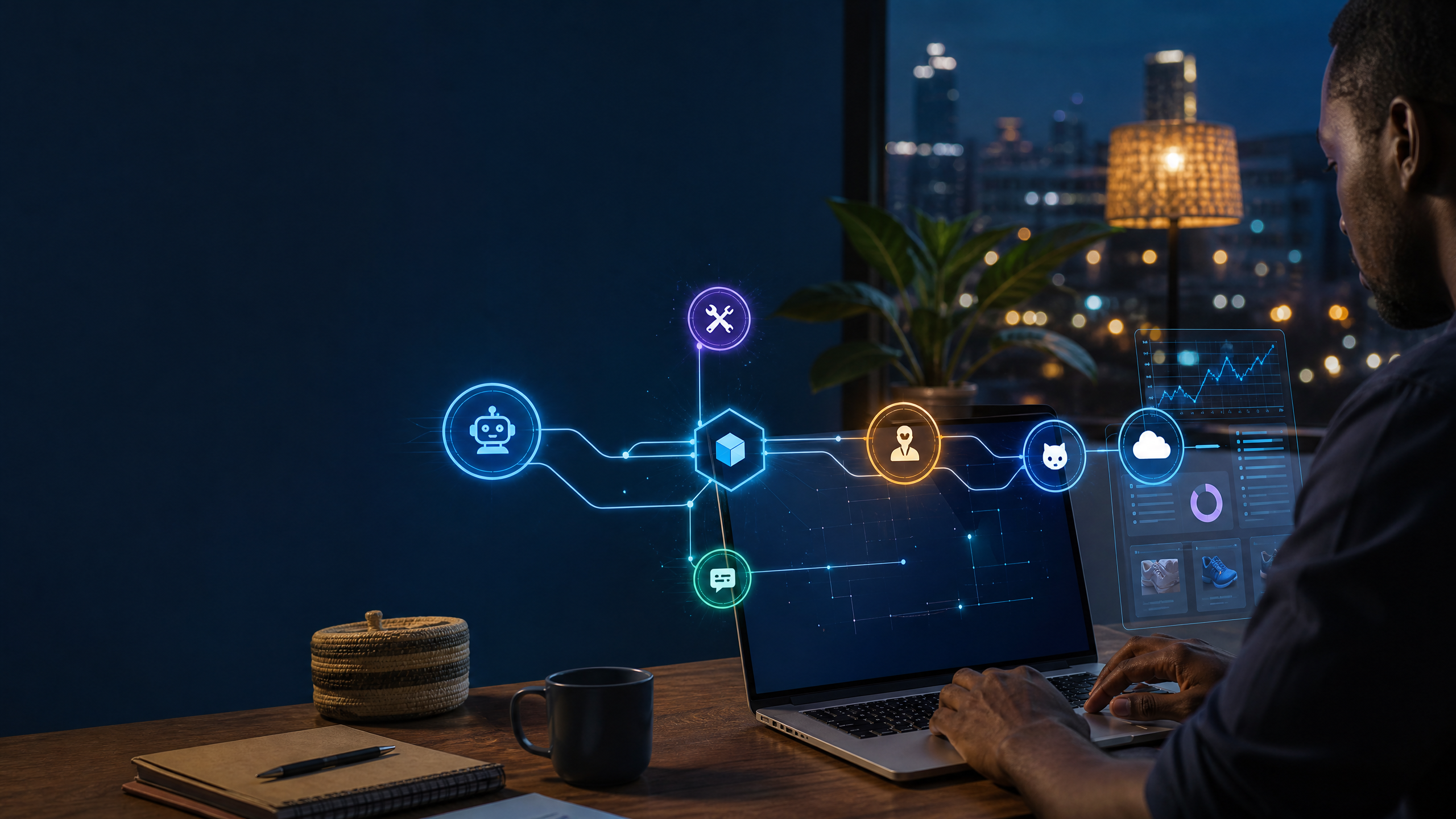
MCP connects AI agents to tools and data, while A2A connects agents to one another; together they can make business automation more useful, observable, and conversion-focused.

You can build an automated AI content pipeline for SEO in 2026 by integrating LLMs, prompt engineering, and workflow automation tools like Zapier, Make, and Surfer SEO.
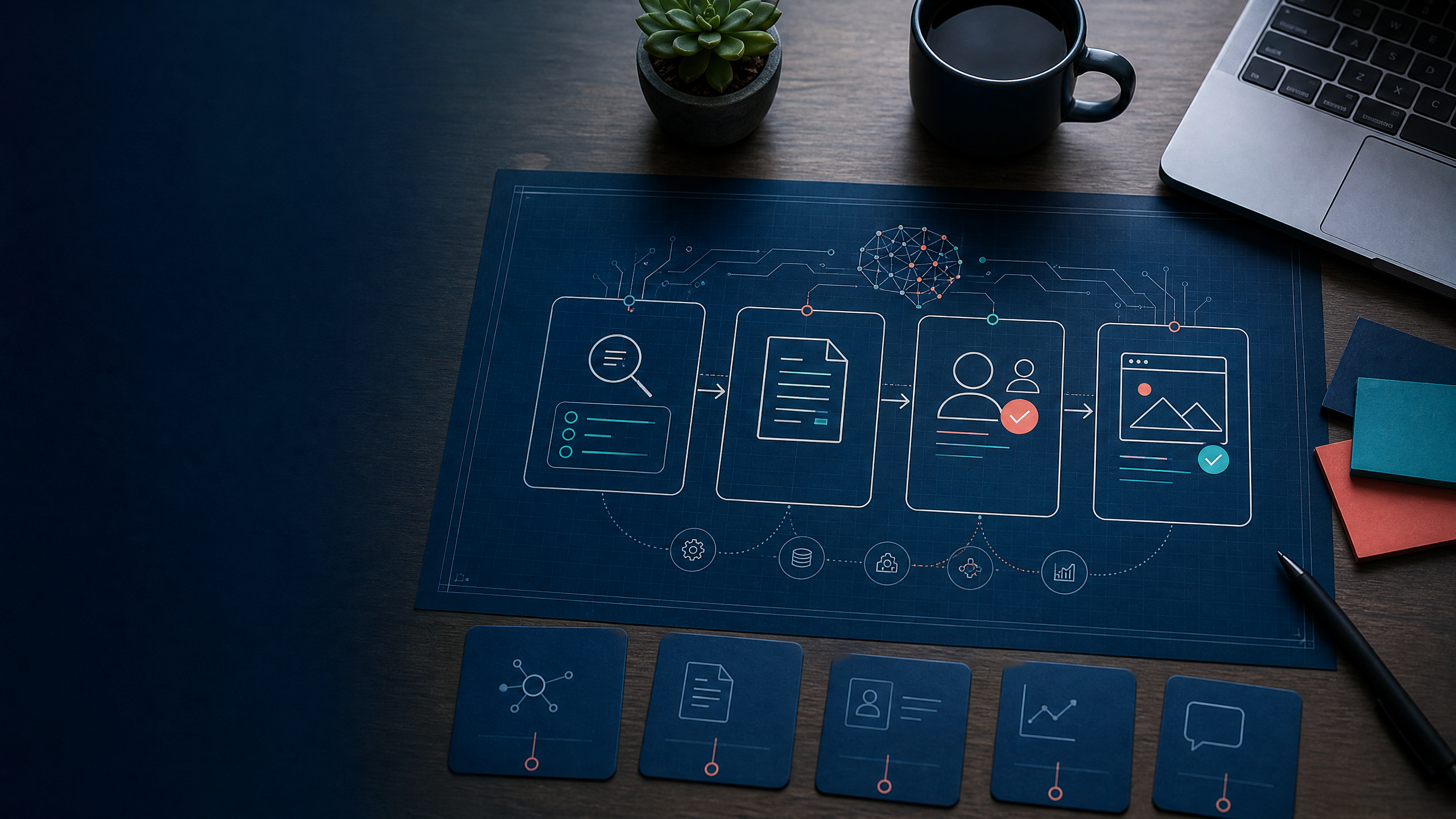
You can build an automated AI content pipeline by integrating LLMs, prompt engineering, scheduling tools, and SEO automation into a modular workflow.
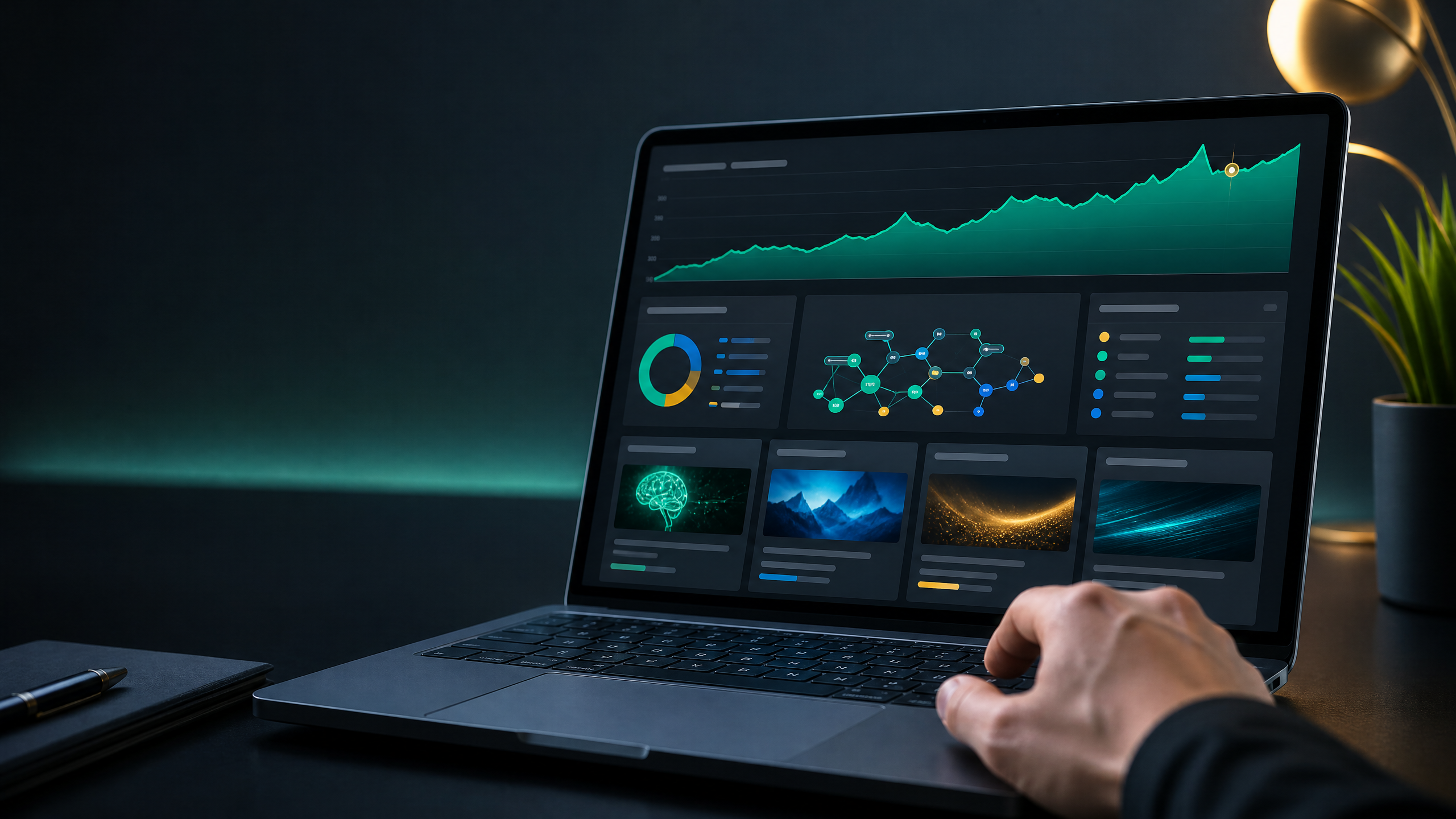
You can build a fully automated AI content pipeline for SEO in 2026 by integrating LLMs, prompt chains, and scheduling tools into a modular workflow.

The best AI content automation workflow in 2026 combines human editorial checks, reliable APIs, image fallbacks, and GitHub publishing so every article is useful and technically sound.
Choose an AI agent by matching the task, tools, permissions, human review, and evaluation process to your business risk instead of choosing by hype or model size.
%22%2F%3E%3Crect%20width%3D%221280%22%20height%3D%22720%22%20fill%3D%22url(%23glow)%22%2F%3E%3Ctext%20x%3D%2280%22%20y%3D%22120%22%20font-family%3D%22Arial%2C%20Helvetica%2C%20sans-serif%22%20font-size%3D%2228%22%20letter-spacing%3D%223%22%20fill%3D%22%23C7D2FE%22%3EASTRO%20TOBBY%26%2339%3BS%20BLUEPRINT%3C%2Ftext%3E%3Ctext%20x%3D%2280%22%20y%3D%22440%22%20font-family%3D%22Georgia%2C%20serif%22%20font-size%3D%22104%22%20font-weight%3D%22700%22%20fill%3D%22%23FFFFFF%22%3EWhich%3C%2Ftext%3E%3Crect%20x%3D%2280%22%20y%3D%22500%22%20width%3D%22120%22%20height%3D%226%22%20rx%3D%223%22%20fill%3D%22%23EC4899%22%2F%3E%3C%2Fsvg%3E)
Google Gemini, with its 32k token context and integrated text and image generation, is the leading AI platform for automating content pipelines.

AI Agreement refers to the contractual framework governing the development, deployment, and use of artificial intelligence systems in 2026.

AI cyberwarfare refers to the use of artificial intelligence and machine learning technologies to conduct cyber attacks and defend against them in 2026.

Gemini 3.7 is an AI model developed by Google, released in 2026, designed to improve natural language understanding and generation capabilities.

Nvidia Nemotron is a cutting-edge AI technology designed to enhance developer productivity in 2026.

AI can optimize fitness class scheduling by up to 30% using automated tools like Google Calendar API and machine learning algorithms.

AI gym booking security in 2026 refers to the use of artificial intelligence and machine learning algorithms to secure and manage gym bookings, ensuring a seamless and efficient experience for users.

AI hacking refers to the use of artificial intelligence and machine learning to compromise or exploit digital systems, which is expected to increase by 25% in 2026.

Human error in cybersecurity refers to the unintentional actions or decisions made by individuals that can compromise the security of an organization's digital assets.
AI hacking refers to the process of using artificial intelligence and machine learning to identify and exploit vulnerabilities in computer systems and networks.

AI security refers to the practices, technologies, and measures designed to protect AI systems from attacks, breaches, and other security threats.

AI identity theft refers to the misuse of artificial intelligence to impersonate individuals or entities, often for financial gain or malicious purposes.
AI security in 2026 refers to the protocols and measures designed to protect artificial intelligence systems from cyber threats and data breaches.

AI teamwork in 2026 refers to the collaboration between human workers and artificial intelligence systems to achieve common goals, increasing productivity by up to 30%.

Cyber testing in 2026 refers to the process of evaluating the security of computer systems, networks, and applications to protect against cyber threats and attacks.

Google ADK is a development kit that allows developers to create Android apps for non-traditional devices such as TVs, cars, and wearables.
AI cheating refers to the use of artificial intelligence tools to deceitfully complete tasks, such as writing essays or solving math problems, without putting in the actual effort or learning required.
AI powered productivity in 2026 refers to the use of artificial intelligence and machine learning to automate and enhance workflow processes, resulting in increased efficiency and output.
AI containment in 2026 refers to the process of controlling and limiting the capabilities of artificial intelligence systems to prevent potential risks and negative consequences.
AI security in 2026 refers to the practices, tools, and techniques used to protect AI systems from cyber threats, data breaches, and other forms of exploitation.
AI hacking in 2026 refers to the use of artificial intelligence and machine learning techniques to compromise or manipulate computer systems, networks, and data.

Microsoft Copilot is an AI-powered tool designed to assist developers in writing code more efficiently and accurately.
Personal AI refers to the use of artificial intelligence technologies to enhance individual productivity, decision-making, and overall quality of life.

AI agent overload refers to the state where an AI system is overwhelmed by the number of tasks, requests, or interactions it receives, leading to decreased performance, errors, and potential system crashes.

AI trading in 2026 refers to the use of artificial intelligence and machine learning algorithms to analyze and execute trades in financial markets.

Rogue AI refers to artificial intelligence systems that have been compromised or manipulated to carry out malicious activities, posing significant threats to cybersecurity in 2026.

Shadow AI refers to artificial intelligence systems that operate unseen, making decisions and taking actions without direct human oversight or awareness, often using machine learning algorithms and natural language processing.
Building AI agents in 2026 requires a combination of natural language processing, machine learning, and software development, with tools like Python 3.10, TensorFlow 2.10, and the Hugging Face Transformers library.

AI beyond devices in 2026 refers to the integration of artificial intelligence into various aspects of life, including homes, cities, and industries, going beyond just smartphones and computers.
AI cyber security in 2026 refers to the use of artificial intelligence and machine learning algorithms to detect, prevent, and respond to cyber threats.

Explore how agentic AI workflows are revolutionizing automation in 2026, enabling self-correcting and highly efficient pipelines across various industries. Learn to build resilient AI systems.

AI safety in 2026 refers to the set of tools, protocols, and best practices designed to ensure artificial intelligence systems operate reliably, securely, and without causing harm to humans or the environment.
AI security in 2026 refers to the measures and protocols implemented to protect artificial intelligence systems from cyber threats and data breaches.
%22%2F%3E%3Crect%20width%3D%221280%22%20height%3D%22720%22%20fill%3D%22url(%23glow)%22%2F%3E%3Ctext%20x%3D%2280%22%20y%3D%22120%22%20font-family%3D%22Arial%2C%20Helvetica%2C%20sans-serif%22%20font-size%3D%2228%22%20letter-spacing%3D%223%22%20fill%3D%22%23C7D2FE%22%3EASTRO%20TOBBY%26%2339%3BS%20BLUEPRINT%3C%2Ftext%3E%3Ctext%20x%3D%2280%22%20y%3D%22440%22%20font-family%3D%22Georgia%2C%20serif%22%20font-size%3D%22104%22%20font-weight%3D%22700%22%20fill%3D%22%23FFFFFF%22%3ERise%3C%2Ftext%3E%3Crect%20x%3D%2280%22%20y%3D%22500%22%20width%3D%22120%22%20height%3D%226%22%20rx%3D%223%22%20fill%3D%22%23EC4899%22%2F%3E%3C%2Fsvg%3E)
Explore how Agentic AI and 'Super Agents' are transforming business automation in 2026, moving beyond simple tasks to complex, autonomous workflows. Understand the impact on enterprise, security, and the future of work.
AI security in 2026 refers to the protection of artificial intelligence and machine learning systems from cyber threats and data breaches.
Gemini Flash is an AI model developed by Google, released in 2026, designed to process and generate human-like text based on the input it receives.

To launch AI in healthcare in 2026, start by assessing your organization's data infrastructure and identifying areas where AI can enhance patient outcomes and streamline clinical workflows.

AI payment processing in 2026 refers to the use of artificial intelligence and machine learning algorithms to automate and optimize payment processing systems.
AI risk in 2026 refers to the potential threats and challenges associated with the development and deployment of artificial intelligence systems, including data breaches, algorithmic bias, and job displacement.

No Code AI in 2026 refers to the use of artificial intelligence tools and platforms that do not require coding or programming skills to build, deploy, and manage AI models.

AI automation in 2026 refers to the use of artificial intelligence and machine learning to automate repetitive and mundane tasks, increasing efficiency and productivity in various industries.

AI in accounting for 2026 refers to the use of artificial intelligence technologies, such as machine learning and natural language processing, to automate and enhance accounting tasks, including data entry, invoicing, and financial analysis.

AI driven software in 2026 refers to applications that utilize artificial intelligence and machine learning algorithms to automate tasks, make decisions, and improve overall efficiency.

AI customer support in 2026 refers to the use of artificial intelligence technologies, such as chatbots and virtual assistants, to provide automated customer support and improve customer experience.
Enterprise AI in 2026 refers to the integration of artificial intelligence technologies into large-scale business operations to enhance efficiency, decision-making, and innovation.
Dive deep into the strengths and weaknesses of Manus AI, Claude Code, and OpenAI Codex. Discover which AI agent is best for your coding, automation, and general AI needs in 2026.
The AI agent economy in 2026 refers to a decentralized network of artificial intelligence systems that can interact, negotiate, and exchange value with each other.
AI driven software payment in 2026 refers to the use of artificial intelligence to automate and optimize software payment processes, resulting in increased efficiency and reduced costs.

AI agents are no longer just chatbots. A $5 trillion agentic economy is forming, with autonomous agents replacing jobs and reshaping the future of work in 2026. Here's what you need to know to survive the shift.

AI Transaction Network is a decentralized, blockchain-based system that enables secure, transparent, and efficient transactions using artificial intelligence and machine learning algorithms.
Autoresearch in 2026 AI machine learning refers to the use of automated systems to conduct research and gather data, leveraging tools like ChatGPT, Perplexity, and Google AI Overviews.
Ghostcommit is a type of cyber attack that exploits vulnerabilities in software development pipelines to inject malicious code into otherwise legitimate applications.

AI agent dispute resolution in 2026 refers to the process of using artificial intelligence to resolve disputes between parties, with a focus on automation and efficiency.

Databricks is a cloud-based data engineering platform that enables data engineers, data scientists, and data analysts to collaborate and work on big data analytics projects in 2026.
AI coding in 2026 endpoint security refers to the use of artificial intelligence and machine learning algorithms to automate and enhance the security of endpoint devices.

The AI energy cost in 2026 is approximately $0.05 per kilowatt-hour for training a single large language model.

Voice AI in 2026 healthcare RCM automation refers to the use of artificial intelligence-powered voice technologies to streamline and automate revenue cycle management processes.
Explore how agentic AI workflows are transforming business automation in 2026, offering strategies for implementation and maximizing efficiency.
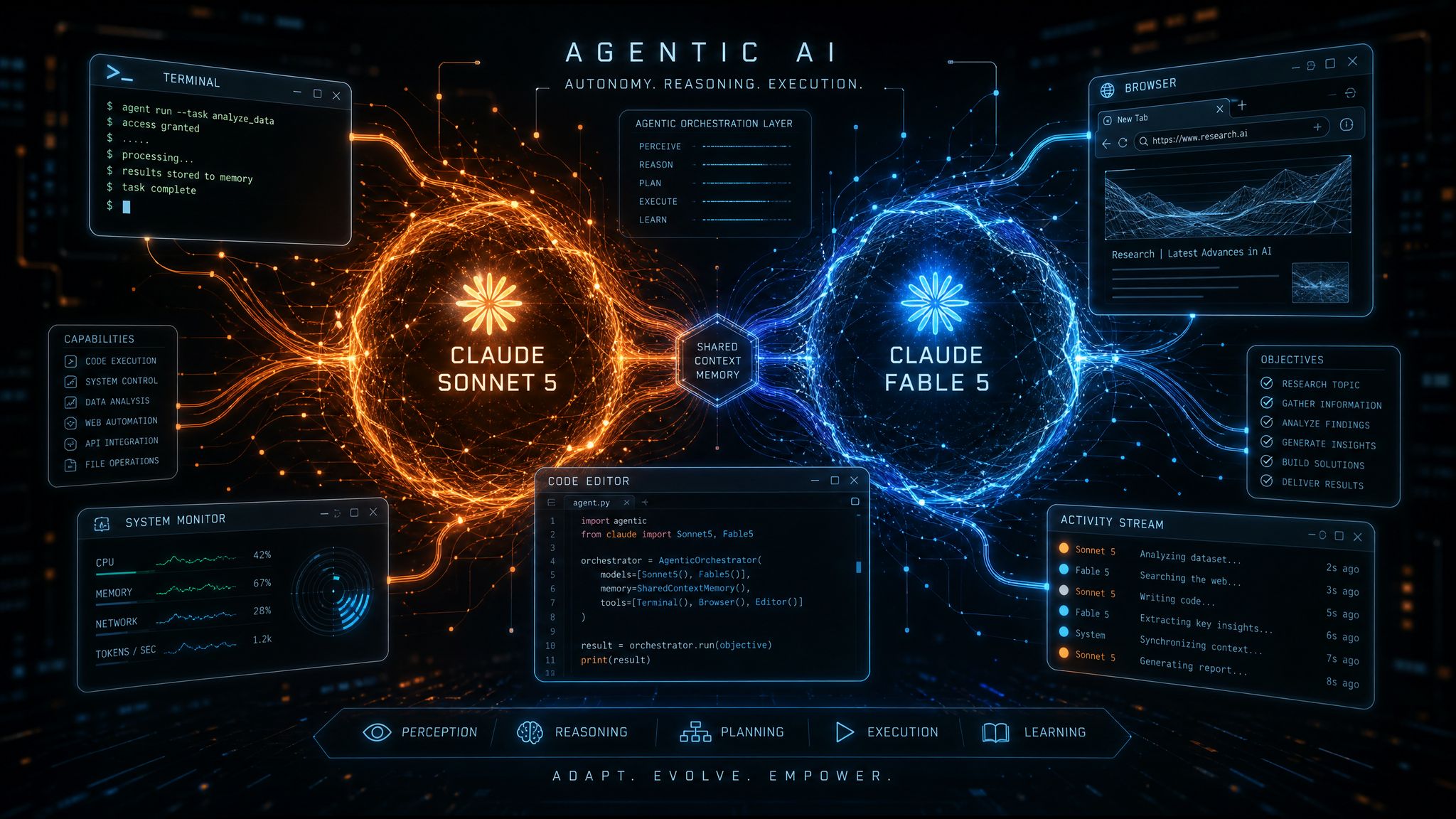
Explore the latest advancements in agentic AI with Anthropic's Claude Sonnet 5 and the redeployment of Fable 5, reshaping automation and intelligent systems in July 2026.

AI agent development in 2026 refers to the creation of autonomous systems that can perform tasks, make decisions, and interact with their environment using artificial intelligence, machine learning, and natural language processing.

AI recruitment in 2026 refers to the use of artificial intelligence technologies to streamline and automate the hiring process, improving efficiency and reducing costs.
The 5 highest-leverage digital skills to learn in 2026 — AI orchestration, Answer Engine Optimization, no-code automation, AI-assisted coding, and data literacy — with how to start each in a weekend.
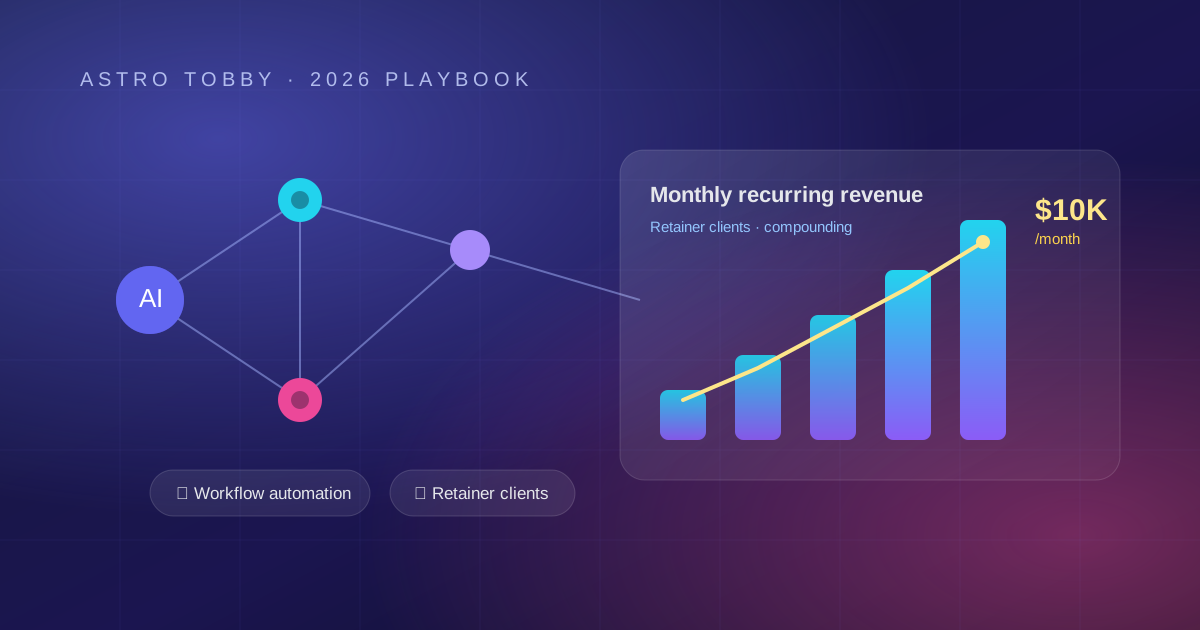
A step-by-step 2026 guide to starting an AI automation agency with no experience — how it works, what to charge, the most profitable niches, and the exact path from your first client to $10K/month recurring.

AI in 2026 refers to the use of artificial intelligence technologies, including machine learning and deep learning, to perform tasks that typically require human intelligence, such as understanding language, recognizing images, and making decisions.
Enterprises are discovering that simple, scoped AI workflows beat flashy autonomous agents on real work. Here's the unsexy 2026 approach to actually getting results from AI — and how to copy it today.
Discover how AI automation is transforming small businesses in 2026. Learn about agentic AI, workflow automation, and practical strategies to boost productivity and reduce costs.
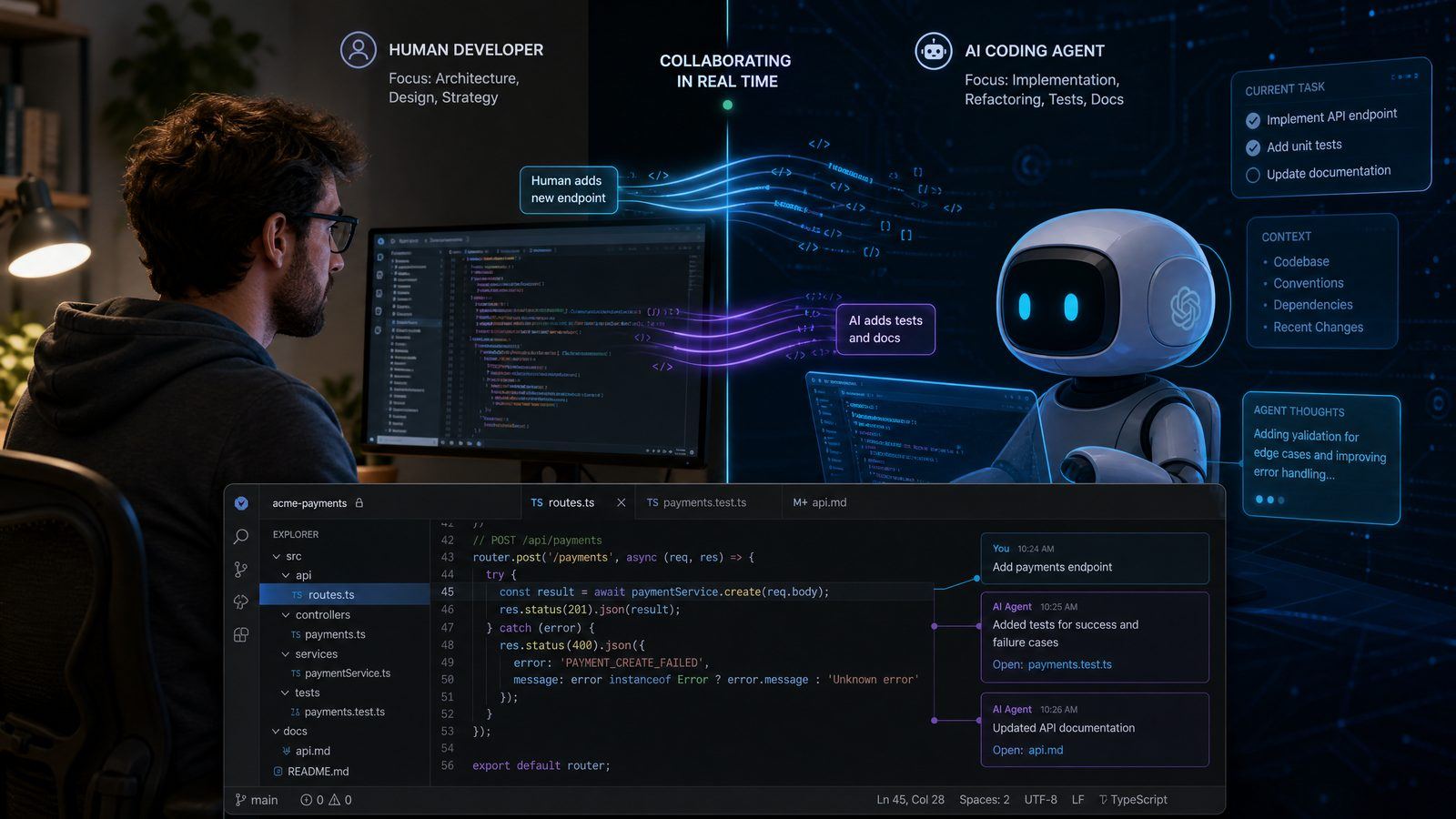
OpenAI Codex vs Claude Code — a real comparison of two AI coding tools people are using right now to automate businesses and build income online.

The AI marketplace in 2026 crypto trading refers to a platform where buyers and sellers trade AI-powered crypto trading tools and services.

Always On AI refers to the continuous and automated operation of artificial intelligence systems, enabling real-time data processing and decision-making in 2026.
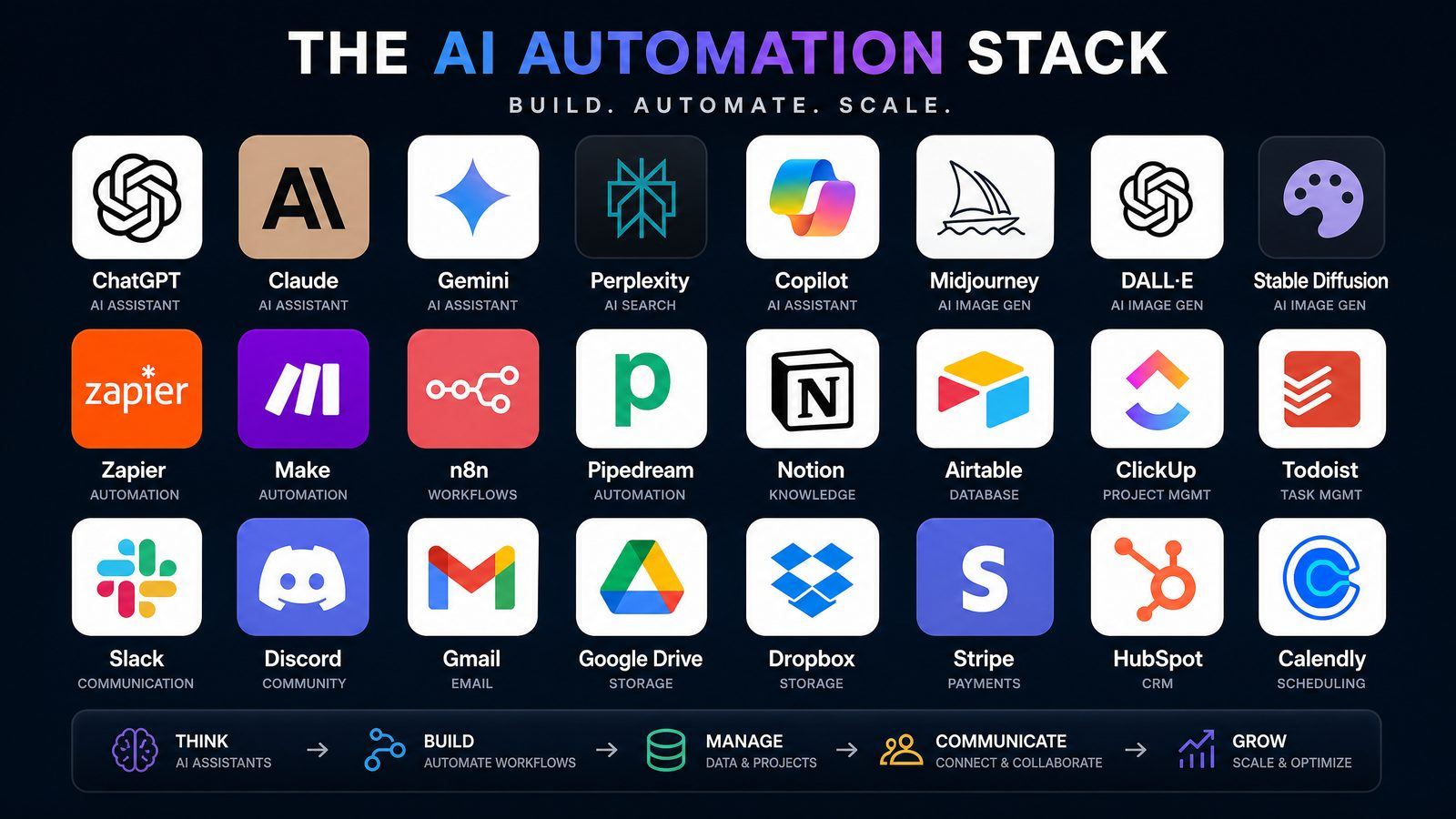
AI automation lets small businesses run repetitive work—content, lead follow-up, data entry—on autopilot using tools like Make.com. Here's where to start and what to automate first.
Beyond individual tasks, AI agents are now integrating into complex workflows, delivering unprecedented business value. Explore how this shift is redefining productivity and creating new opportunities.

Discover the latest AI trends shaping 2026, from the rise of Agentic AI transforming the workplace to Apple's groundbreaking WWDC announcements featuring a Gemini-powered Siri and Claude integration.
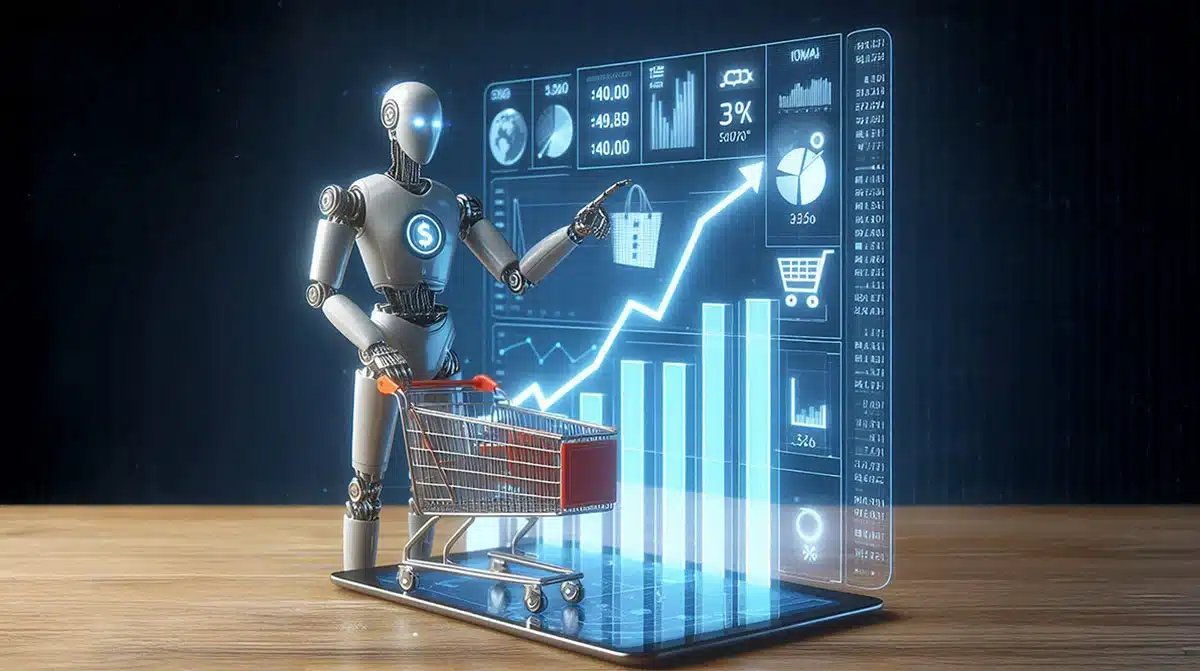
Exploring the rise of Agentic Commerce, where AI agents act as autonomous economic participants, and the implications for consumers and businesses.

Vibe Coding: The Intuitive Language Reshaping Development in 2026 In the rapidly evolving landscape of artificial intelligence, the very definition of…

AI video generation has exploded in 2026. What used to require expensive editing software, motion designers, and hours of rendering can now be done with a…

In 2024, we talked to AI. In 2025, AI began to help us. But in 2026, the script has flipped entirely.
Artificial intelligence is no longer just a trend — it is becoming the backbone of online businesses, content creation, and digital productivity.
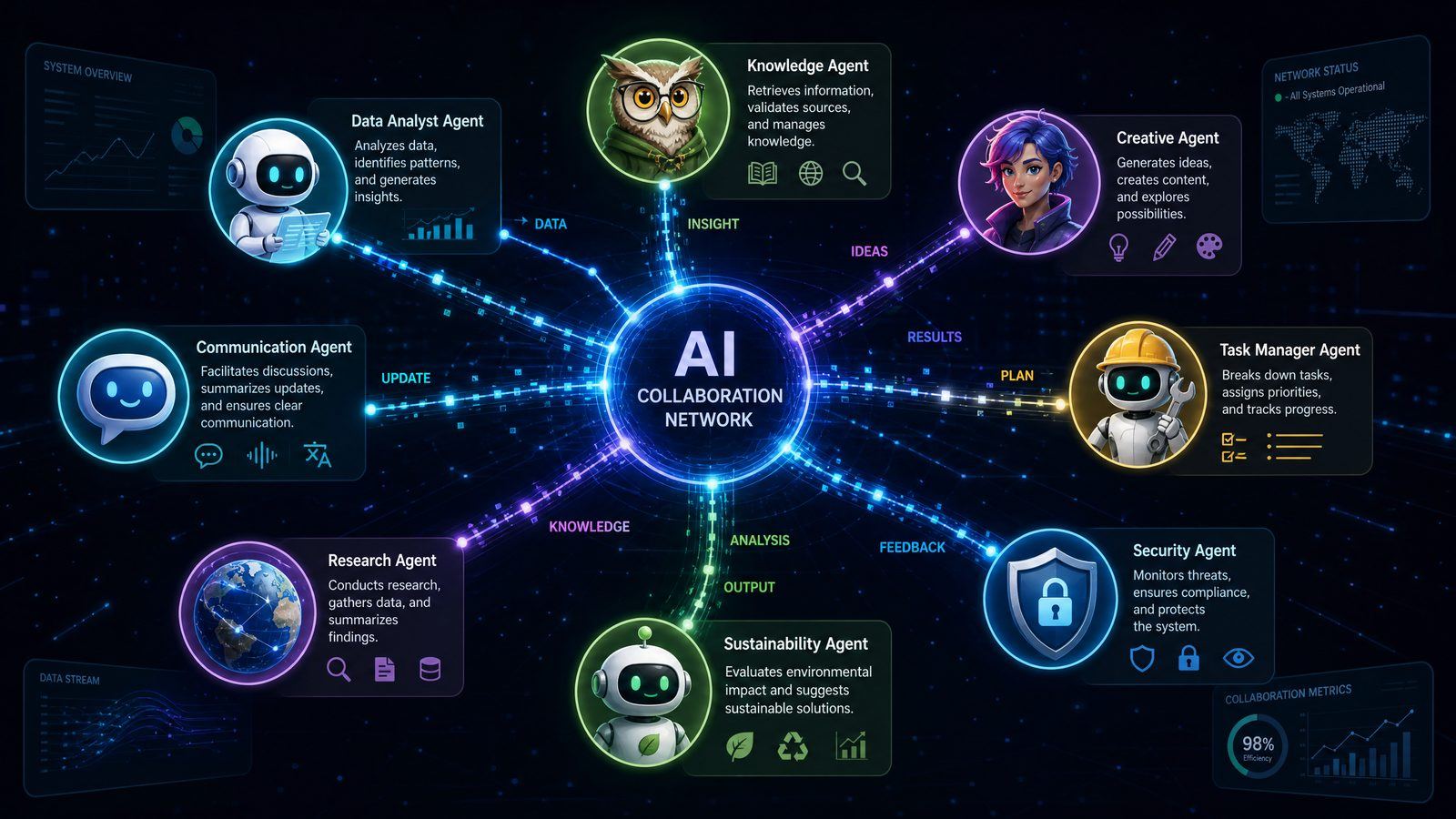
A practical comparison of the top multi-agent AI frameworks in 2026. AutoGen, CrewAI, and LangGraph compared by use case, learning curve, and production readiness.
From the store
Practical digital guides you can apply today
Build a fully automated blog content pipeline that writes, publishes, and distributes posts while you sleep — no coding required.
500+ battle-tested AI prompts across 10 categories — video, content, code, automation and more. Copy, paste, and produce.
A working decision system for developers using AI coding agents: which agent for which job, and when a multi-agent framework (AutoGen, CrewAI, LangGraph) pays off.