Manus AI vs. Claude Code vs. OpenAI Codex: The Ultimate 2026 Comparison for Developers
 ·
· 
Manus AI vs. Claude Code vs. OpenAI Codex: The Ultimate 2026 Comparison for Developers
The landscape of artificial intelligence is evolving at an unprecedented pace, with AI agents becoming increasingly sophisticated and specialized. For developers, choosing the right AI tool can significantly impact productivity, project complexity, and overall efficiency. In 2026, three prominent AI agents stand out in their respective domains: Manus AI, Claude Code, and OpenAI Codex. While each offers unique strengths, understanding their core functionalities, target use cases, and underlying architectures is crucial for making an informed decision.
This article provides a comprehensive comparison of these three powerful AI agents, helping you determine which one best suits your development and automation needs.
Manus AI: The General-Purpose Autonomous Agent
Manus AI distinguishes itself as a general-purpose autonomous AI agent, often referred to as an “Action Engine.” Unlike specialized coding assistants, Manus is designed to plan, execute, and deliver complete workflows across a wide array of tasks, making it akin to a digital employee capable of independent operation [1]. Acquired by Meta in December 2025, Manus has rapidly expanded its capabilities and reach.
Key Features of Manus AI:
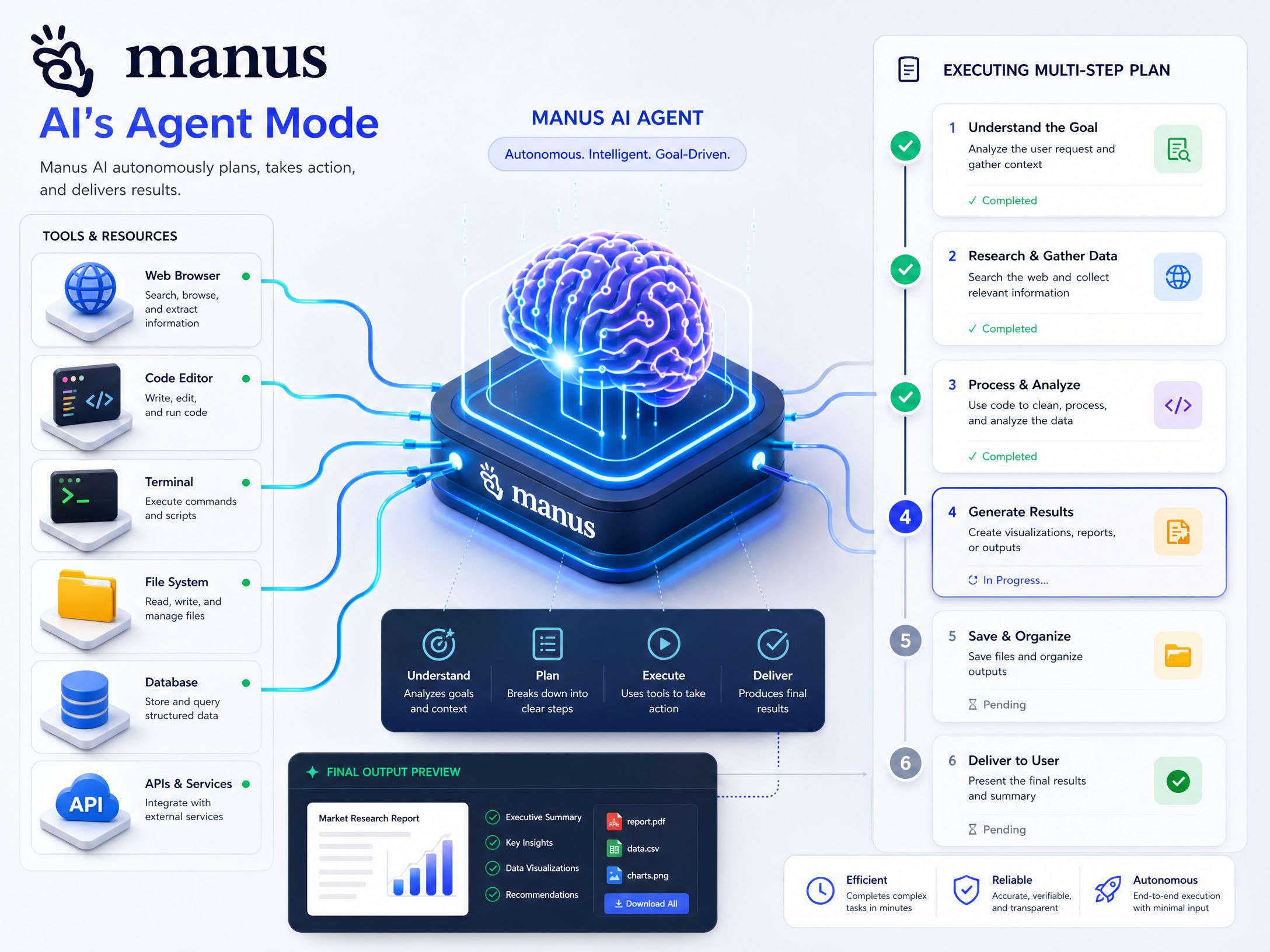
- Agent Mode: At its core, Manus operates in an Agent Mode, where it autonomously plans and executes multi-step tasks within a virtual Ubuntu sandbox. This allows it to browse the web, write code, create files, run scripts, and deliver finished products without constant human intervention [1].
- Wide Research: For large-scale information gathering, Manus dispatches multiple AI sub-agents in parallel, enabling deep and comprehensive research across numerous sources. This capability makes it particularly effective for tasks like lead generation, competitive analysis, and market research [1].
- Multi-modal Capabilities: Manus is not limited to text-based outputs. It can generate presentations (Manus Slides), build websites (Website Builder), create and edit images (Design View), and perform data analysis and visualization by running Python scripts in its sandbox [1].
- Browser Operator: This feature allows Manus to transform a local Chrome or Edge browser into an AI-powered agent, operating with the user’s existing logins and cookies. This is a game-changer for interacting with authenticated platforms like CRMs, LinkedIn, or analytics tools that cloud-based AIs cannot typically access [1].
- Performance: Manus has demonstrated strong performance, scoring 86.5% on the GAIA benchmark, outperforming some competitors in deep research tasks [1].
Ideal Use Cases for Manus AI:
Manus AI is best suited for complex, multi-faceted tasks that require autonomous execution across various digital environments. This includes comprehensive research reports, end-to-end website development, automated data analysis, and workflow automation that integrates with authenticated web services.
Claude Code: Anthropic’s Terminal-First Coding Agent
Claude Code, developed by Anthropic, is a powerful terminal-based coding agent designed for developers who prefer a command-line interface. It excels at understanding and executing complex coding tasks directly within the terminal environment, offering deep integration with development workflows [2].
Key Features of Claude Code:
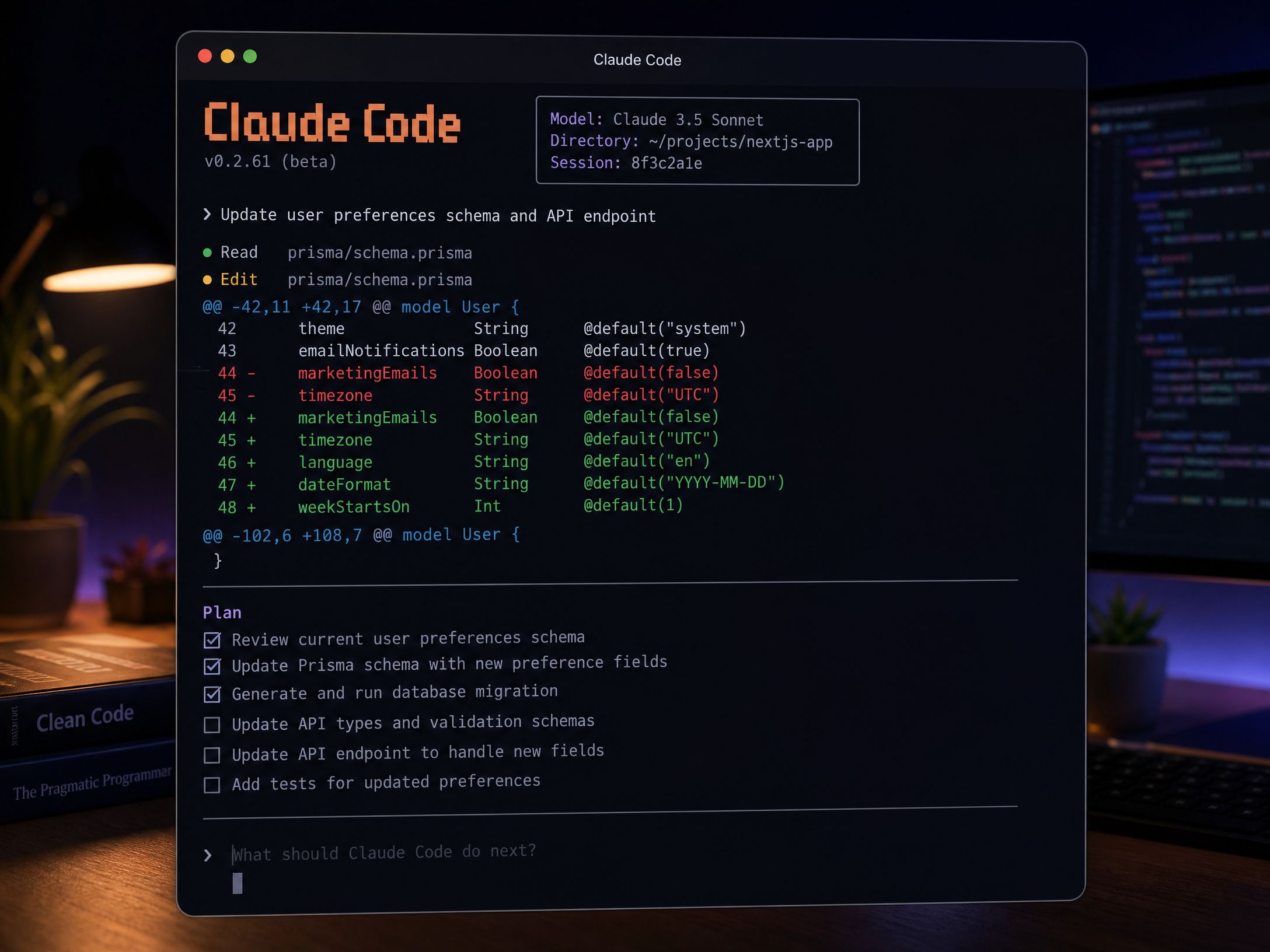
- Terminal-First Design: Claude Code operates primarily through the command line, allowing developers to give it tasks like refactoring APIs, adding error handling, or writing unit tests. It then makes the necessary changes, shows diffs, and seeks approval [2].
- Advanced Models: It leverages Anthropic’s state-of-the-art models, including Opus 4.8 (default since May 2026) and Sonnet 4.6. Opus 4.8 is particularly noted for its orchestration capabilities, allowing it to spawn parallel sub-agents for complex tasks [2].
- Large Context Window: With a context window of 1 million tokens, Claude Code can hold entire codebases, documentation, and multiple agent outputs in memory simultaneously, reducing the need for constant context switching [2].
- Deep Harness and Tool Integration: Claude Code offers a deep programmable harness with 26 hook events, allowing for fine-grained control and integration with various tools and workflows. It prioritizes planning and verification before execution, leading to more robust architectural solutions [2].
Ideal Use Cases for Claude Code:
Claude Code is ideal for developers who live in the terminal and require an AI assistant for discrete coding tasks, scripting, automation, and architectural design. It excels in scenarios where deep understanding of a codebase and robust planning are critical, such as refactoring complex systems or building new features with intricate logic.
OpenAI Codex: The Unified Agentic Coding Powerhouse
OpenAI Codex (the 2026 version) represents OpenAI’s unified approach to agentic coding, offering a seamless experience across multiple platforms. It has evolved significantly from its earlier iterations, now functioning as a truly agentic system capable of working independently on projects for extended periods [3].
Key Features of OpenAI Codex:
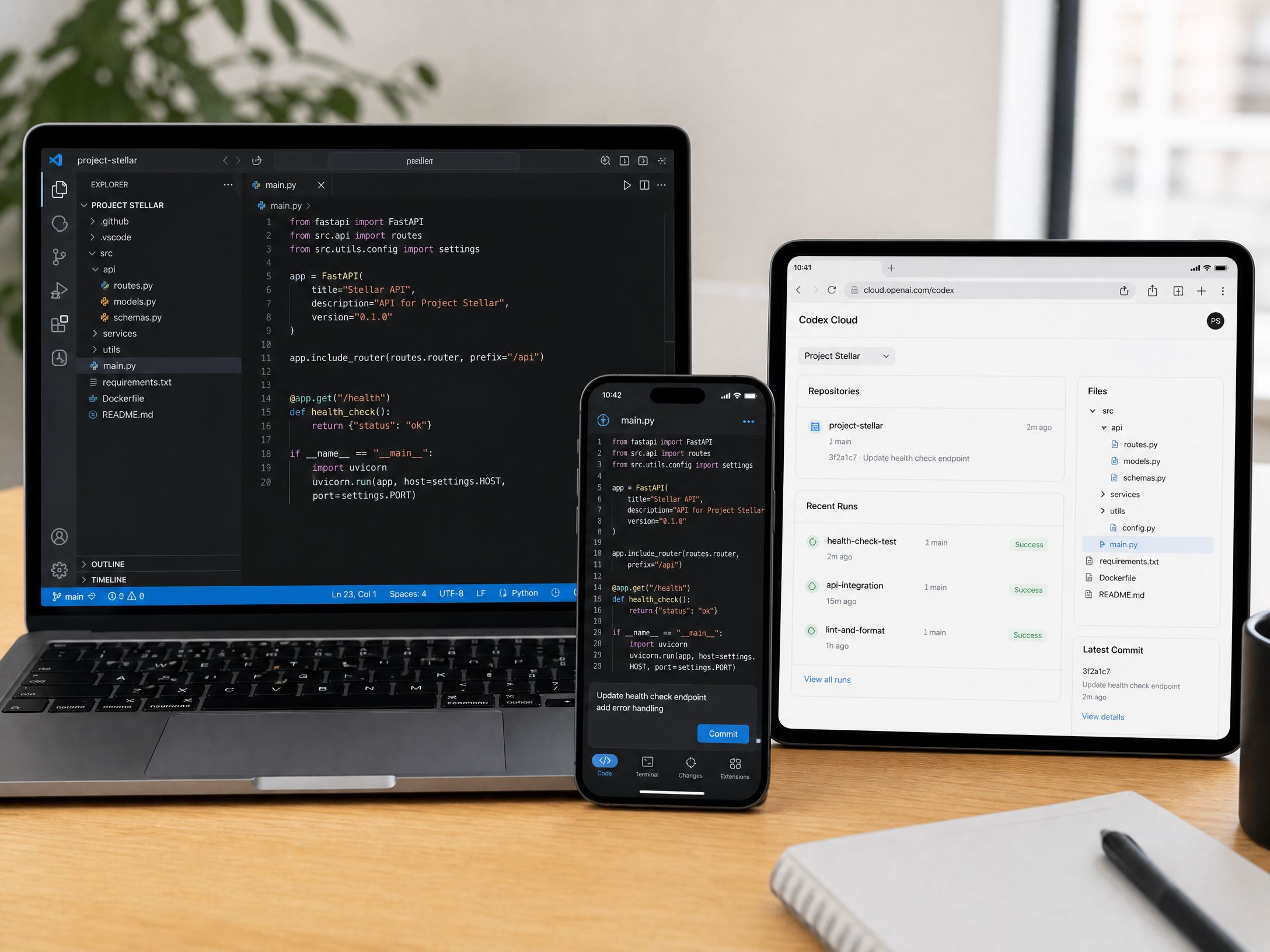
- Multi-Surface Coverage: Codex is accessible across six surfaces: CLI, IDE extensions (VS Code, Cursor, JetBrains), Codex Cloud for hosted sandboxed runs, the ChatGPT app sidebar, mobile app, and a Chrome extension. This allows developers to start work on one device and seamlessly continue on another [3].
- Agentic Capabilities: GPT-5.3-Codex, the model powering cloud and code review sessions, is designed to finish projects autonomously. It can write code, run it, debug errors, test, and iterate on gameplay or features for days, checking in with the user for course correction [3].
- Kernel-Level Sandboxing: For enhanced security, Codex enforces sandboxing at the kernel level using technologies like Seatbelt on macOS, Landlock on Linux, and Windows Sandbox. This provides a deterministic and secure environment for code execution [3].
- Unified Experience: All surfaces share the user’s ChatGPT account, session history, and
AGENTS.mdconfiguration, ensuring context is maintained regardless of where the work is being done [3].
Ideal Use Cases for OpenAI Codex:
OpenAI Codex is best suited for developers who need a highly autonomous AI assistant that can tackle entire projects from scratch, iterate on them, and debug independently. Its multi-surface availability makes it excellent for developers who work across different devices and require a unified, persistent coding environment.
Comparative Analysis: Manus AI vs. Claude Code vs. OpenAI Codex
To further clarify the distinctions, let’s compare these three AI agents across several critical dimensions:
| Feature/Aspect | Manus AI | Claude Code | OpenAI Codex |
|---|---|---|---|
| Primary Focus | General-purpose autonomous agent | Terminal-first coding agent | Unified agentic coding product |
| Core Capability | Multi-step workflow execution, research, content generation, browser automation | Deep code understanding, architectural planning, terminal-based development | Autonomous project completion, multi-surface development, secure sandboxing |
| Underlying Models | Manus 1.6, Manus 1.6 Max (proprietary) | Opus 4.8, Sonnet 4.6, Haiku 4.5 (Anthropic) | GPT-5.5 (local), GPT-5.3-Codex (OpenAI) |
| User Interface | Web app, mobile app, Windows app, Browser Extension, Virtual Machine | CLI, VS Code, JetBrains, Web, Desktop App, Mobile Push | CLI, IDE Extensions, Codex Cloud, ChatGPT App, Mobile App, Chrome Extension |
| Autonomy Level | High (plans and executes complex workflows) | High (deep code understanding, orchestration) | Very High (can complete projects over days) |
| Sandboxing | Full Virtual Machine (Ubuntu sandbox) | Application-level hooks, Auto mode classifier | Kernel-level (Seatbelt, Landlock, Windows Sandbox) |
| Pricing (Entry) | Free (limited), Plus ($39/month) | Pro ($20/month - limited), Max ($100/month) | Plus ($20/month) |
| Best For | General automation, complex research, content creation, browser-based tasks | Terminal-centric development, architectural design, robust code changes | Full project development, cross-device workflow, secure execution |
Conclusion: Choosing the Right AI Agent for You
The choice between Manus AI, Claude Code, and OpenAI Codex ultimately depends on your specific needs and workflow. Each agent offers a distinct set of advantages:
-
Choose Manus AI if you need a versatile, general-purpose autonomous agent capable of handling a wide range of tasks beyond just coding. Its strength lies in orchestrating complex workflows, conducting deep research, and interacting with web services through its Browser Operator. Manus is your digital employee for comprehensive automation and content generation.
-
Opt for Claude Code if you are a developer deeply integrated with the terminal and require an AI that excels in understanding and executing intricate coding tasks with robust planning and architectural insight. Its deep harness and large context window make it a powerful tool for significant code refactoring and complex feature development.
-
Select OpenAI Codex if you require a highly autonomous coding agent that can complete entire projects across multiple devices and environments. Its unified experience and kernel-level sandboxing provide a secure and seamless workflow for developers who need an AI to work independently on long-running tasks.
In the rapidly evolving world of AI, staying informed about these powerful tools is key to maximizing your productivity and pushing the boundaries of what’s possible. By understanding their unique strengths, you can strategically integrate the right AI agent into your workflow and unlock new levels of efficiency and innovation.
References
[1] Saladi, S. (2026, March 15). Manus AI 101: The Complete Guide to the Autonomous AI Agent + 100 Use Cases & Prompts. Substack. https://sidsaladi.substack.com/p/manus-ai-101-the-complete-guide-to
[2] Tripathi, S. (2026, February 15). Claude Code vs Cursor vs OpenAI Codex: Which AI coding tool should you use in 2026?. Medium. https://medium.com/@writertripathi/claude-code-vs-cursor-vs-openai-codex-which-ai-coding-tool-should-you-use-in-2026-8f124e43c6fd
[3] Firecrawl. (2026, June 3). Claude Code vs Codex: Which AI Coding Agent Should You Use in 2026?. Firecrawl Blog. https://www.firecrawl.dev/blog/claude-code-vs-codex