How to Get Cited by ChatGPT: A 7-Step AEO Framework for 2026
 ·
· 
How to Get Cited by ChatGPT: A 7-Step AEO Framework for 2026
Quick answer: To get cited by ChatGPT, give AI crawlers something easy to lift — a clear, factual, self-contained answer near the top of a well-structured page — and make sure your site is crawlable (not blocking GPTBot), then earn mentions on third-party sites the model already trusts. ChatGPT cites sources it can read, verify, and corroborate. Optimize for those three things and you become quotable.
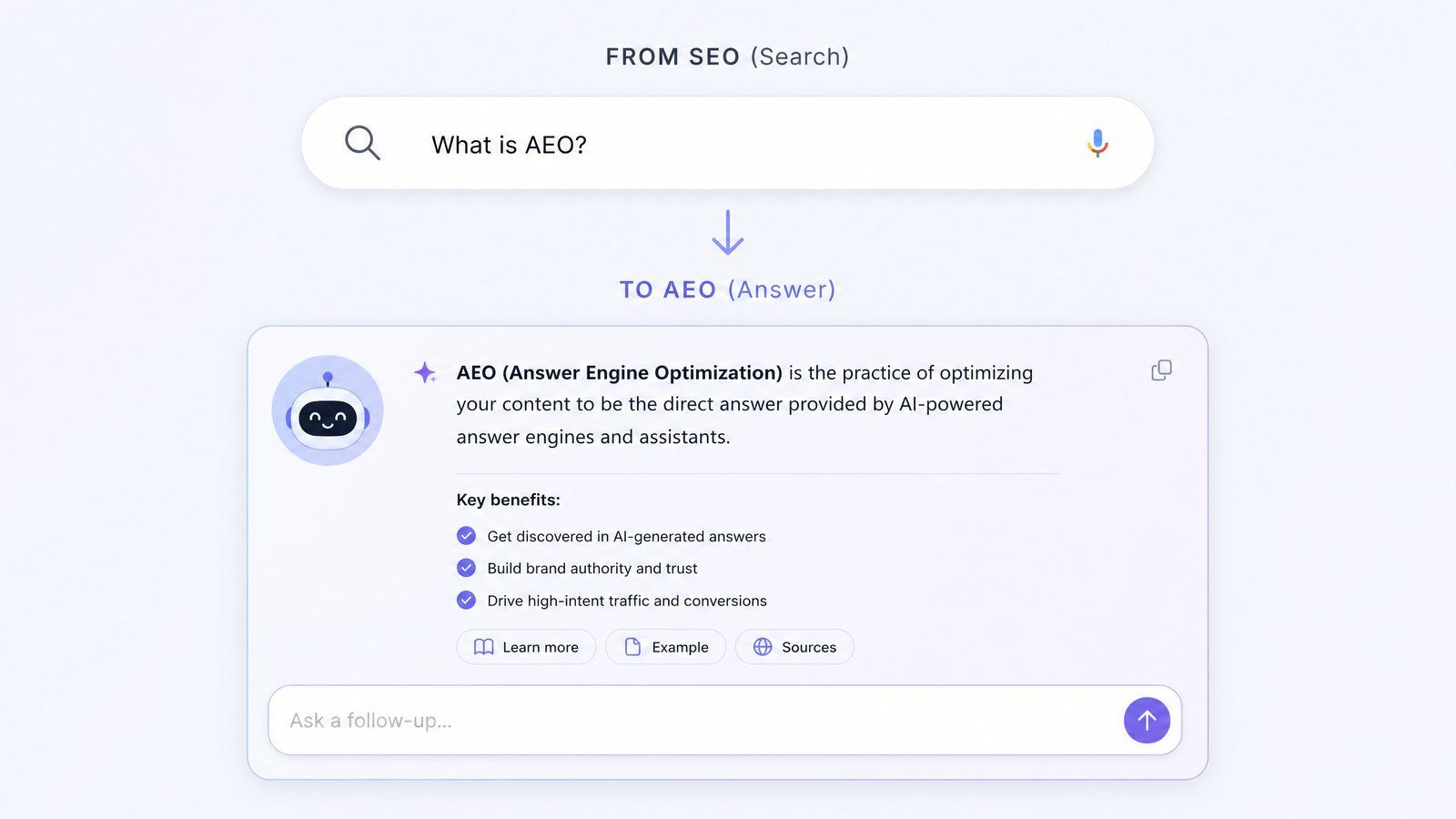
If you have noticed ChatGPT, Perplexity, and Google’s AI Overviews quietly replacing the old “ten blue links,” you already understand the stakes: being the answer now matters more than being result #4. This is Answer Engine Optimization (AEO), and it follows different rules than classic SEO.
This guide is written by Astro Tobby, who runs a fully automated AI publishing pipeline and tests these tactics on a live site. Below is the 7-step framework — no theory-only fluff, just what actually earns citations in 2026.
Why does ChatGPT cite some pages and not others?
ChatGPT cites pages that are crawlable, clearly answer a specific question, and are corroborated elsewhere on the web. Large language models don’t “rank” pages the way Google does; when they generate an answer with sources, they pull from content their crawler has indexed and that best matches the user’s intent in a clean, quotable form. If your page is hard to read, buried, or invisible to the crawler, it cannot be cited — no matter how good the writing is.
There are three gates every citation has to pass: access (can the bot read it?), clarity (is there a self-contained answer to lift?), and trust (does anything else on the web back it up?). Most sites fail at gate one without realizing it.
Step 1: Make sure AI crawlers can actually read your site
Check your robots.txt first — if you block GPTBot, OAI-SearchBot, or ClaudeBot, you have disqualified yourself from being cited. This is the single most common and most ironic mistake. Many sites (and security plugins, and CDN “block AI bots” toggles) silently disallow the very crawlers that feed AI answers.
Visit yoursite.com/robots.txt and confirm you are not disallowing these user agents:
| Crawler | Who it feeds | Allow it? |
|---|---|---|
GPTBot | ChatGPT training & browsing | Yes |
OAI-SearchBot | ChatGPT search results & citations | Yes |
ChatGPT-User | Live user-triggered browsing | Yes |
PerplexityBot | Perplexity answers | Yes |
ClaudeBot / Claude-Web | Claude answers | Yes |
Google-Extended | Gemini & AI Overviews | Yes |
If any of these are blocked, that’s your highest-leverage fix. Unblock them, then request a re-crawl.
Step 2: Lead with a self-contained “quick answer”
Put a direct, 1–2 sentence answer to the page’s core question right at the top, before any preamble. AI engines lift short, complete statements that stand on their own. A reader (or a model) should be able to copy that one block and have a correct, useful answer without the surrounding paragraphs.
Use a blockquote or a bolded sentence immediately under the H1. Make it factual and specific — names, numbers, dates — not a vague teaser.
Step 3: Structure every section as a question with an upfront answer
Use question-shaped H2 headings, and make the first sentence under each heading the direct answer. This mirrors how people prompt AI (“how do I…”, “what is the difference between…”) and gives the model clean, retrievable chunks. Support comes after the answer, not before it.
This is the biggest structural difference from classic blog writing, where you build to a conclusion. For AEO, you invert it: answer first, explain second.
Step 4: Add the formats AI engines love to quote
Tables, numbered frameworks, and short definition lists get cited far more often than long prose, because they’re already structured data. When a model needs to compare two things or list steps, a clean table or ordered list is the easiest thing to lift verbatim.
Every cornerstone page should include at least one comparison table and one numbered “how to” framework — like the ones in this article.
Step 5: Prove expertise with specifics (E-E-A-T)
Replace vague claims with named tools, real numbers, versions, and dates, and attach a clear author. Models weight content that demonstrates first-hand experience and verifiable detail. “AI search is growing fast” is forgettable; “GPTBot, OAI-SearchBot, and PerplexityBot are the three crawlers to allow in 2026” is quotable.
Add a visible byline, an honest “about the author” note, and link to your sources. This is what separates a citable page from generic AI slop.
Step 6: Earn corroboration on sites the model already trusts
ChatGPT prefers facts it can confirm in more than one place, so being mentioned on Reddit, niche forums, YouTube, and respected industry blogs raises your odds of citation. A single page on a new domain is a weak signal; the same claim echoed across communities the model has ingested is a strong one.
Seed genuinely helpful answers where your audience already asks questions — relevant subreddits, Quora, Stack-style Q&A, and your own short-form video. You’re not just chasing backlinks; you’re creating the corroboration trail.
Step 7: Add structured data and keep content fresh
Mark up your pages with FAQPage, Article, and BreadcrumbList JSON-LD, and update cornerstone pages on a schedule. Schema makes your Q&A machine-readable, and recency signals tell engines the answer is current — both push citation odds up. AI answers favor content that looks maintained over content that looks abandoned.
AEO vs SEO: what actually changes
| Dimension | Classic SEO | Answer Engine Optimization (AEO) |
|---|---|---|
| Goal | Rank in the 10 blue links | Be the cited answer |
| Unit of value | The page / keyword | The self-contained answer chunk |
| Structure | Build to a conclusion | Answer first, explain after |
| Winning formats | Long-form, keyword density | Tables, steps, FAQs, definitions |
| Off-page signal | Backlinks | Backlinks + corroboration across trusted sources |
| Gatekeeper | Googlebot | GPTBot, OAI-SearchBot, PerplexityBot, Google-Extended |
AEO doesn’t replace SEO — it layers on top of it. The same clean, factual content tends to win both.
Frequently asked questions
How long does it take to get cited by ChatGPT? Once crawlers can access a clear, corroborated page, citations can appear within days to a few weeks of re-crawl — much faster than ranking #1 on Google, because there’s no long authority-building wait for emerging-topic answers.
Do I need backlinks to be cited by AI? Not strictly, but corroboration helps a lot. Even without classic backlinks, being mentioned across forums, videos, and community answers gives the model multiple sources to verify your claim.
Will allowing GPTBot hurt my Google SEO? No. Allowing AI crawlers is independent of Googlebot indexing. You can allow GPTBot and still rank normally in Google search.
Is AEO worth it for a small or new site? Yes — arguably more so. AI engines weight clarity and structure over domain age, so emerging topics (like AEO itself) are winnable for small sites before big publishers saturate them.
Want the complete system? This article covers the what and why of getting cited by AI engines. The full step-by-step playbook — including the crawler allowlist, the quick-answer templates, and the corroboration outreach scripts — is in the AEO Masterguide. It’s the same framework running on this site.