The Rise of Agentic AI: How Autonomous Systems are Reshaping 2026
 ·
· 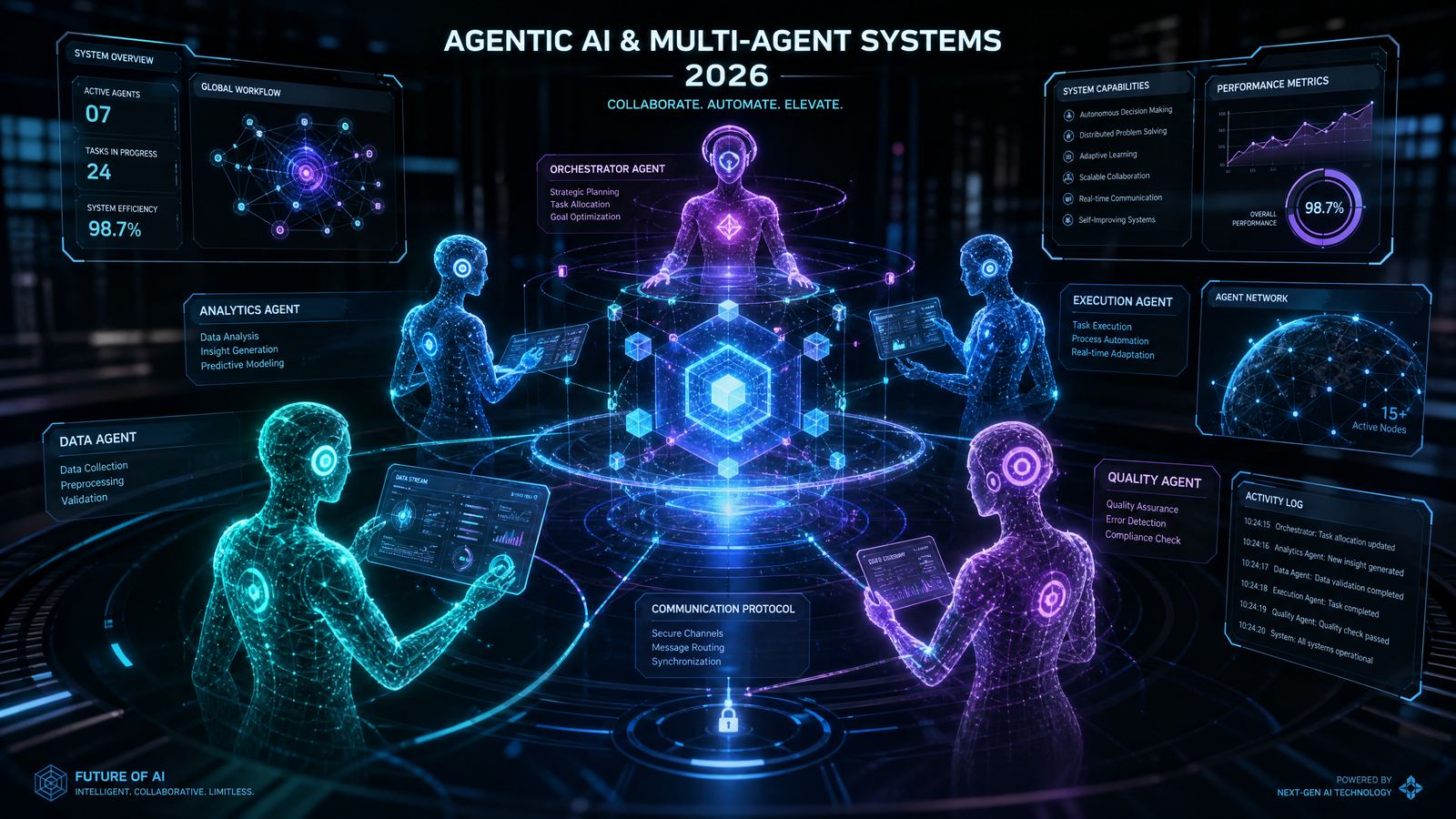
As we reach the midpoint of 2026, the artificial intelligence landscape has undergone a fundamental shift. We have officially transitioned from the era of “Chatbots” to the era of Agentic AI. While 2024 and 2025 were dominated by Large Language Models (LLMs) that could generate text and images, 2026 is defined by autonomous agents capable of reasoning, planning, and executing complex tasks with minimal human intervention.
The recent announcements at WWDC 2026 and other major tech summits have highlighted this transition. AI is no longer just a tool we talk to; it is an ecosystem of agents that work for us. These agents are now integrated into our operating systems, our browsers, and our professional workflows, acting as digital proxies that can navigate the web, manage finances, and even coordinate with other agents to achieve multi-step objectives.
What Makes AI “Agentic”?
The core difference between a standard AI model and an agentic system lies in autonomy and tool use. Standard AI waits for a prompt and provides a response. Agentic AI, however, is characterized by:
- Self-Correction: If an agent encounters an error or a roadblock, it can rethink its strategy and try a different approach without needing the user to intervene.
- Long-Term Planning: Agents can break down a high-level goal (e.g., “Plan a business trip to Tokyo and optimize for my budget and preferred airlines”) into dozens of sub-tasks and execute them sequentially.
- Cross-Platform Execution: In 2026, agents are no longer confined to a single app. They can use APIs, browse websites, and interact with desktop software just like a human would.
The Impact on Industries
The implications of this shift are profound. In the software development world, AI agents are now capable of maintaining entire codebases, fixing bugs, and deploying updates autonomously. In e-commerce, we are seeing the rise of “Agentic Commerce,” where AI agents negotiate prices and handle purchases on behalf of consumers.
Furthermore, the integration of agentic capabilities into personal devices—as seen with the new Siri AI and iOS 27—means that our personal assistants are becoming proactive. They don’t just remind us of a meeting; they prepare the briefing materials, summarize the last three conversations with the attendees, and ensure our schedule is optimized for the day.
Looking Ahead
As we move further into 2026, the challenge will shift from “how do we build these agents” to “how do we govern them.” Security, privacy, and agency remain at the forefront of the discussion. However, one thing is clear: the rise of Agentic AI is not just another tech trend; it is the next step in the evolution of human-computer interaction, promising a future where technology truly works for us, rather than us working for it.