GPT-5.6 Sol vs. Claude Fable 5: The Rise of Professional AI Agents (2026 Guide)
 ·
· 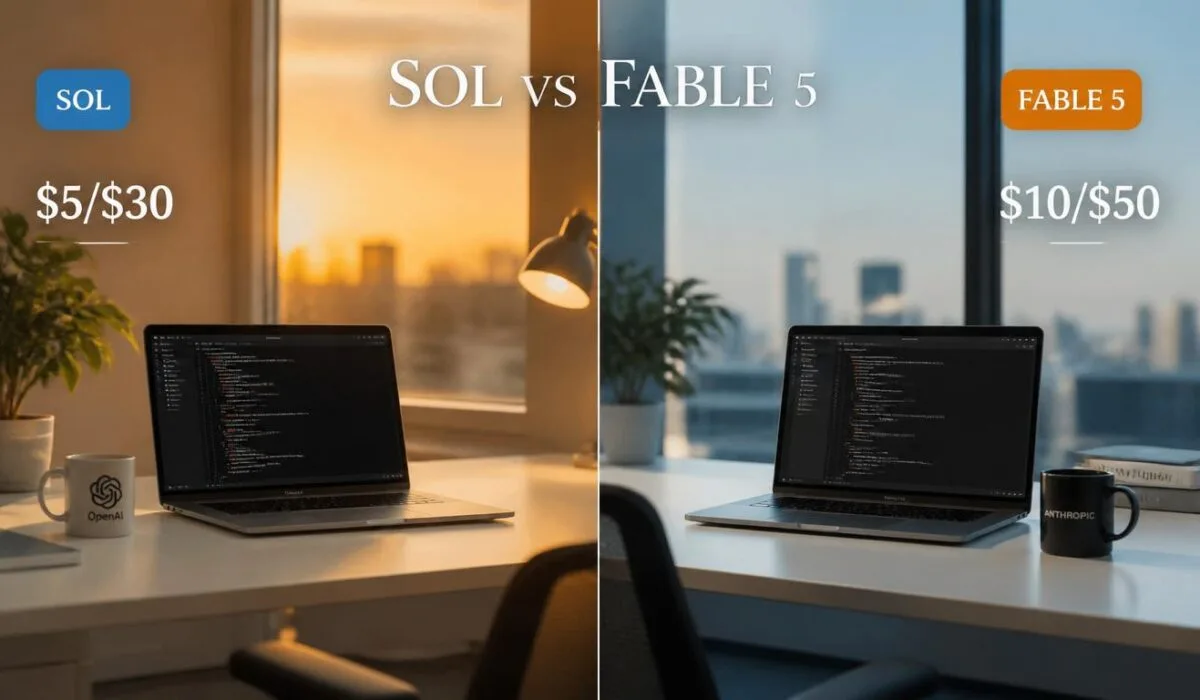
GPT-5.6 Sol vs. Claude Fable 5: The Rise of Professional AI Agents
The landscape of artificial intelligence has shifted. We are no longer just talking about chatbots; we are entering the era of Professional AI Agents. With the release of OpenAI’s GPT-5.6 and Anthropic’s Claude Fable 5, the competition has moved from “who can write the best poem” to “who can run your business more efficiently.”
This guide breaks down the key differences between these two powerhouses, based on real-world experiments and the latest feature updates.
The Contenders: Sol vs. Fable
GPT-5.6: The “Worker” Agent
OpenAI’s latest update introduces ChatGPT Work, a dedicated interface for professional tasks. The star of the show is GPT-5.6 Sol, the flagship model designed for natural interaction and high-speed execution.
- Sol: The high-performance “worker.”
- Terra: The balanced middle-ground.
- Luna: The cost-efficient speedster.
Claude Fable 5: The “Manager” Agent
Anthropic continues to lean into high-level reasoning and safety. Claude Fable 5 is positioned as the strategic thinker—the one you want overseeing complex, multi-step operations.
Performance Showdown: Real-World Experiments
In head-to-head tests, the differences in philosophy become clear. Here is how they performed across three distinct tasks:
| Task | GPT-5.6 Sol (The Worker) | Claude Fable 5 (The Manager) |
|---|---|---|
| Game Development | Built a functional top-down game in 7 mins ($4.50). | Built a stunning 3D-style game in 21 mins ($14.22). |
| Web Design | Created “Vesper Archive”—fast and functional. | Created “Ten Billion Years”—highly immersive and creative. |
| Visual Elements | Superior diversity and aesthetics for ~$1. | Less diverse results for ~$15. |
The Verdict on Cost & Speed
GPT-5.6 Sol is the clear winner for efficiency. It is consistently 10-20 times cheaper than Fable for agentic tasks and boasts a 100% delivery rate, whereas Fable still struggles with a 22% refusal rate due to strict safety guardrails.
New Features: Beyond the Model
The 5.6 update isn’t just about the LLM; it’s about the ecosystem.
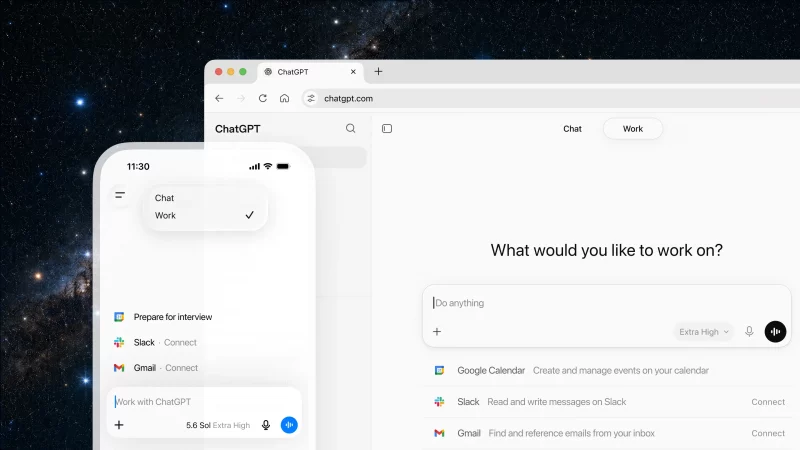
1. ChatGPT Sites & No-Code Apps
You can now prompt a website into existence. OpenAI has integrated ChatGPT Sites, allowing users to build, preview, and publish interactive web apps (like a playable Pong game) in minutes without touching a line of code.
2. Custom MCP & Skills
The Model Context Protocol (MCP) is the secret sauce for 2026. It allows you to connect ChatGPT directly to external tools like GitHub, Slack, and even specialized analytics platforms like vidIQ. You can now create “Skills”—personalized agents that know your writing style or your company’s specific documentation.
3. Zapier Integration
With Zapier’s MCP integration, your AI agent can now talk to over 9,000 apps. This means your “Manager” can summarize a Slack channel, update your CRM, and schedule a meeting—all from a single natural language command.
The Ultimate Workflow: Manager + Workers
The most effective way to use these models isn’t to pick one, but to use them in tandem.
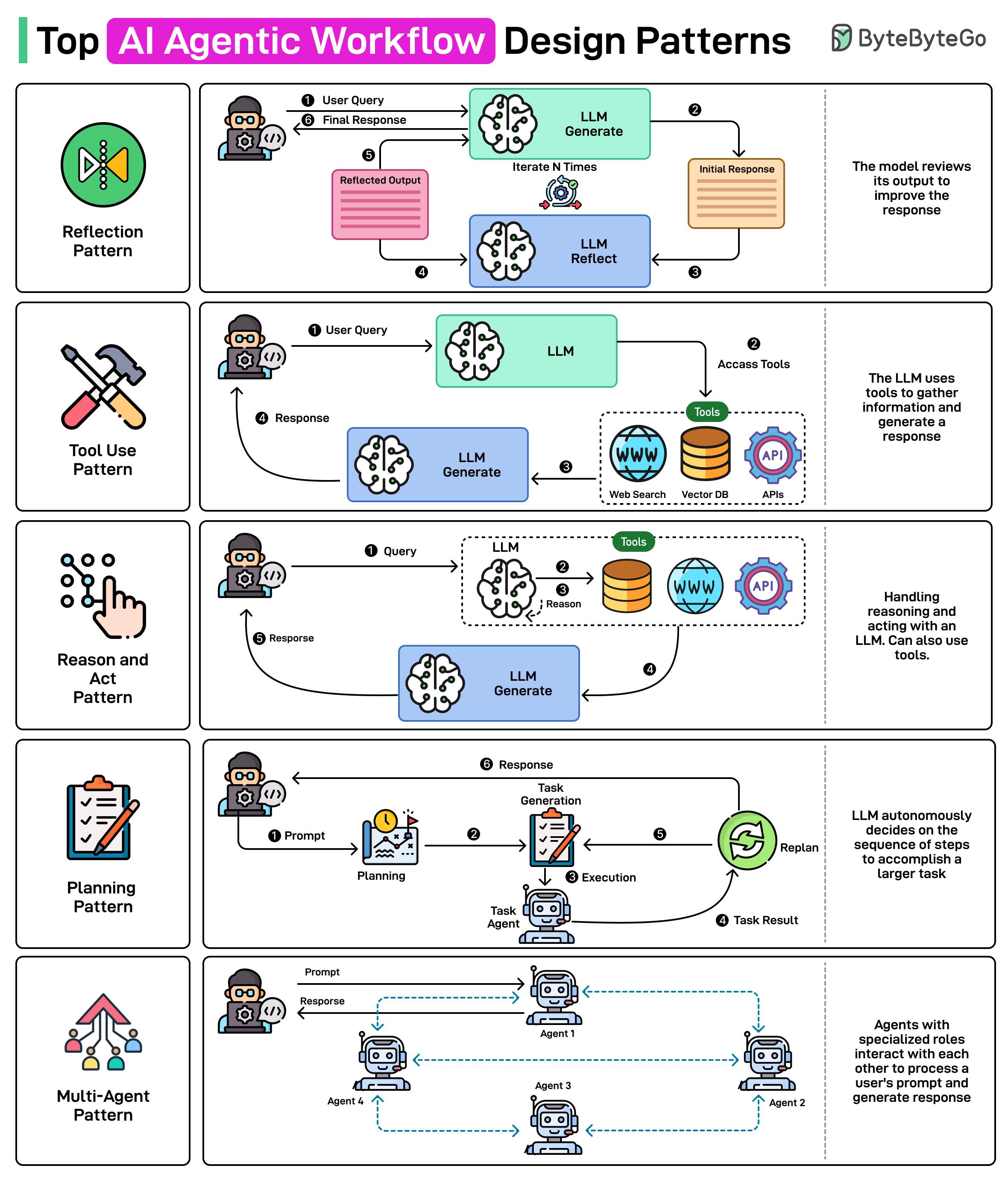
The Pro Strategy: Use Claude Fable 5 as your “Manager” to handle high-level reasoning, strategic planning, and quality control. Then, let it orchestrate multiple GPT-5.6 Sol “Workers” to execute the code, find the bugs, and ship the product.
Conclusion: The Age of the Agent
We have moved past the era of prompt engineering and into the era of agentic orchestration. Whether you are building no-code sites with ChatGPT or running complex multi-agent pipelines, the goal is the same: autonomy.
Which model are you putting to work today?
Want to build your own autonomous pipeline? Check out our Agentic AI Workflow Pack for the exact blueprints used to run this site.